Before You Go to Slovenia: Entry, Money and Best Months
Passport dates and the 90/180 rule, EES, tourist tax and prices in euros, and which months suit the Alps, Ljubljana and the coast.
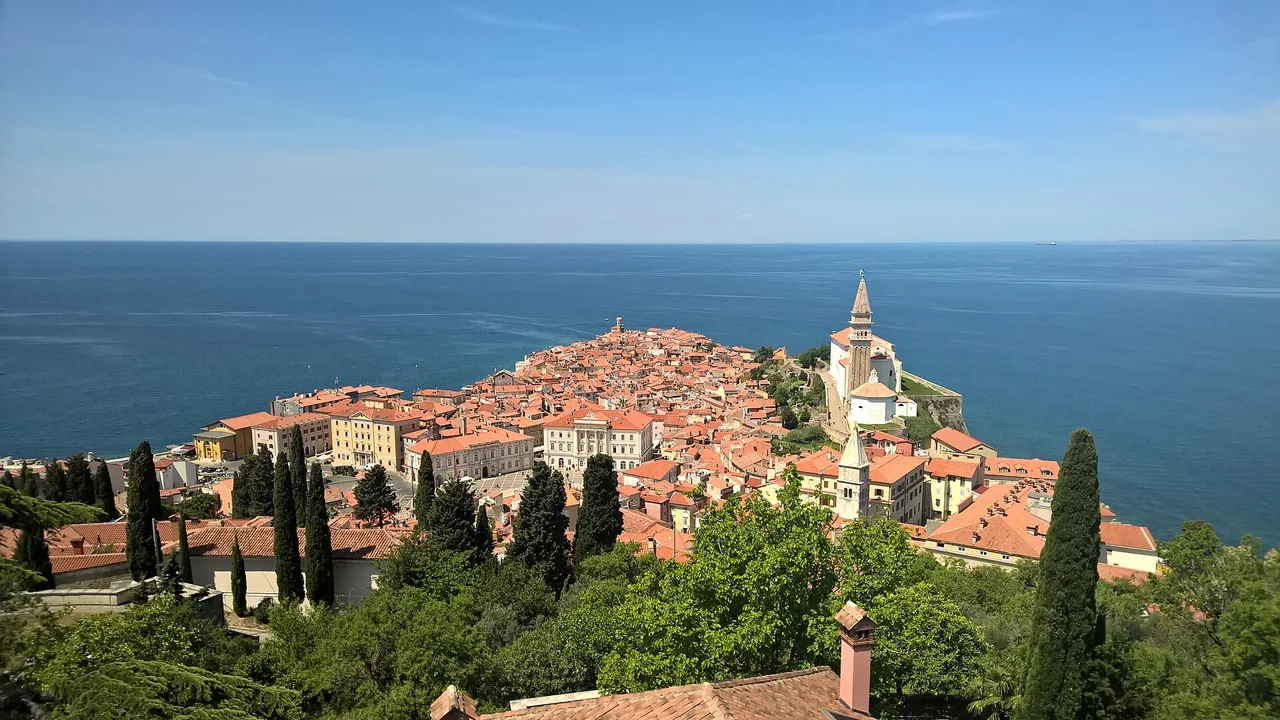
A passport that hasn’t expired can still stop you at the Schengen border: for visa-exempt visitors it has to have been issued within the last 10 years on the day you enter, and stay valid for 3 months after you leave. Get that right and the rest is mostly timing. Mountain huts are typically open from May to October, though the highest close from mid-September. The Vršič pass is shut in winter, the sea is at its best in summer and September, and Ljubljana adds a tourist tax of €3.13 per person per night to your room price.
Entry: passport dates and the 90/180 rule
This section is general travel information, not legal or immigration advice. Slovenia and the EU set these rules and can change them at short notice, so the official pages have the final word: the EU’s rules for non-EU visitors, the Slovenian government’s entry page and your own government’s travel advice. We last checked them on 16 November 2026.
For ordinary non-EU short-stay travellers, the EU’s passport guidance asks for two dates, not one: issued within the previous 10 years on the day you enter, and valid for at least 3 months after you plan to leave the Schengen area. Children need their own passport. A UK passport renewed before 1 October 2018 can still be in date with an issue date more than 10 years old, and then it fails the issue-date rule.
British citizens travelling as tourists and Canadian citizens can visit without a visa for up to 90 days in any 180-day period, according to the UK and Canadian governments’ Slovenia advice. US and Australian citizens are on the EU’s visa-free list too, so the same 90 days in any 180 apply to them. The 90 days are counted across the whole Schengen area, so two weeks in Italy within the previous 180 days come off the same total. The Slovenian government’s entry page links an online calculator; if you’d rather count by hand, do it day by day across the 180-day window, because calendar months give the wrong answer.
Holders of a Schengen short-stay visa (type C) must stay within both the 90/180 allowance and the visa’s own validity, whichever ends first. Long stays, work and family permits follow different national procedures that this guide doesn’t cover.
EES at the border, ETIAS before you travel
The Entry/Exit System (EES) records entry and exit data and takes biometric data from travellers within its scope at the external Schengen border, according to the Slovenian Police. You don’t apply for it in advance. The check happens at your first Schengen airport, not necessarily in Slovenia: fly from London via Frankfurt and you’re registered in Frankfurt, while a direct flight from outside Schengen means it happens at Ljubljana Airport. Don’t plan a tight connection on the assumption that the procedure takes a set time.
ETIAS is a separate online authorisation for visa-exempt travellers, which the European Commission compares to the US ESTA, Canada’s eTA and Australia’s eVisitor. It applies only once the system is operational, and this guide promises no start date. Check travel-europe.europa.eu for the requirement on your departure date, and be wary of other sites that sell an “ETIAS application”.
If you come overland, bring your passport anyway. Slovenia’s government decided on 11 June 2026 to stop its checks at the borders with Croatia and Hungary, but Canada’s advice still warns that you may be required to pass immigration controls when entering Slovenia, even from another Schengen country. Italy and Austria also run checks at their own borders with Slovenia, Italy until 18 December 2026 and Austria until 15 March 2027, according to the European Commission’s list.
Which months suit the Alps, the coast and Ljubljana
The Slovenian environment agency describes Mediterranean influences on the coast, continental conditions inland and Alpine conditions in the north-west, which is why one country needs three packing lists. The table below shows what you’ll find month by month; all of it was checked on 16 November 2026 and the closures and reopening dates apply to 2026-27.
| Months | What it means for a trip |
|---|---|
| April to October | Vintgar Gorge near Bled is open, per its own site |
| May to October | High-mountain huts are typically open, according to the Slovenian Tourist Board |
| Spring, into June | Winter conditions can last in the high mountains as late as June, so walk the valleys first |
| Mid-September | Higher-lying cabins start to close, though many stay open longer, per Slovenia Outdoor |
| September | Warm sea, quieter beaches and milder temperatures on the coast once the busiest holiday period has passed |
| 15 November to 15 March | Winter tyres or chains are compulsory on cars; see the car hire guide |
| Winter | Vršič road shut; Vogel cable car reopens around 1 December 2026 |
| From 27 November 2026 | Ljubljana’s festive lights are on |
If a high route is the reason for the trip, aim for July to early September: the huts are open, the higher cabins haven’t yet shut (some close from mid-September), and the snow that can linger into June has had time to go. It doesn’t follow a calendar, though, so check hut and trail conditions the week before. For a sea swim, September brings fewer visitors than high summer. A city break in November to March suits Ljubljana, with the Vršič and the high trails off the list. The Julian Alps guide sorts the bases by what each can do in winter.
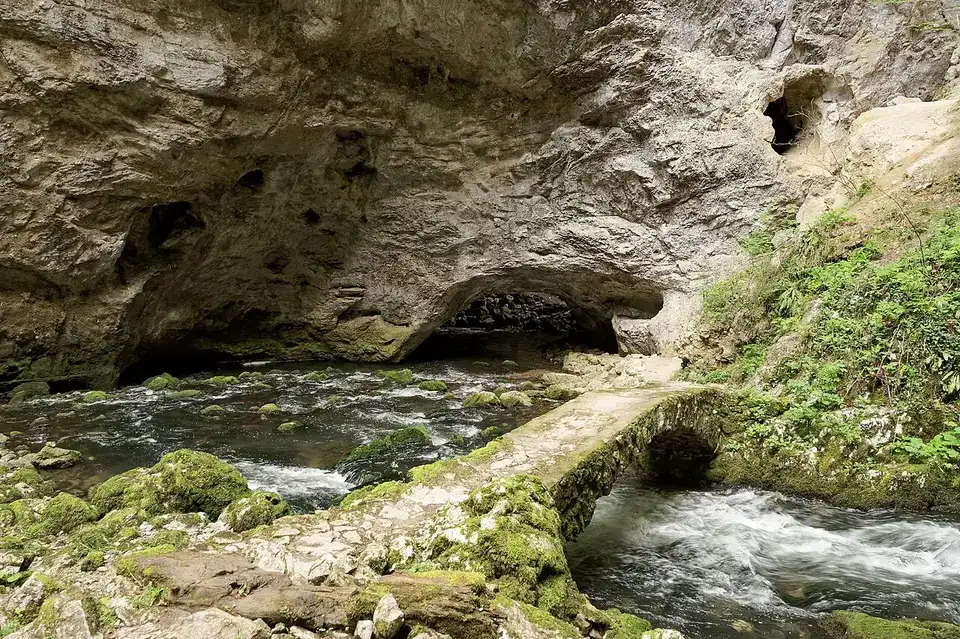
Slovenia has 159 mountain huts and lodges and 18 bivouacs. The shared online reservation system includes 21 of the most popular huts; it shows the final price of the night and takes a credit card, and for the other huts you ask the hut directly. In summer the Triglav huts fill, so you’ll want to book ahead.
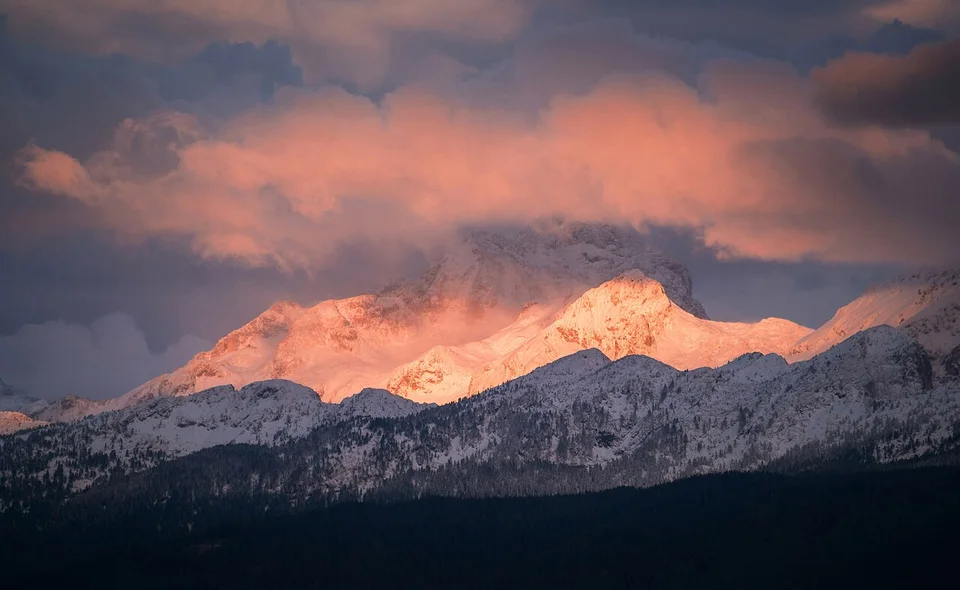
What things cost in euros
Slovenia uses the euro. These are the operators’ own prices, read on 16 November 2026, for one adult unless stated; the guides linked in the table carry the conditions.
| Item | Price | Condition |
|---|---|---|
| Ljubljana tourist tax | €3.13 per person per night | €1.57 for ages 7 to 18 |
| Ljubljana Castle with funicular | €17.10 online, €19.00 at the gate | See the Ljubljana guide |
| Postojna Cave plus Predjama Castle | €49.90 | Combined ticket booked online; see the cave and castle guide |
| Motorway e-vignette | €16.00 | One week, ordinary car |
| Nationwide day ticket | €18 on weekdays | 25% off at weekends and on public holidays; bus and rail; see getting around by train and bus |
| Airport bus to Ljubljana | €4.00 on weekdays | €3.00 at weekends and on public holidays |
The tourist tax is the item that’s easy to miss. A couple spending four nights in Ljubljana pays 2 x 4 x €3.13, which is €25.04, on top of the room rate, and the city’s own page names the €2.50 base tax plus a 25 per cent promotion charge. Check whether your booking shows the tax separately before comparing hotels that appear to differ by a few euros.
Base and car: the short version
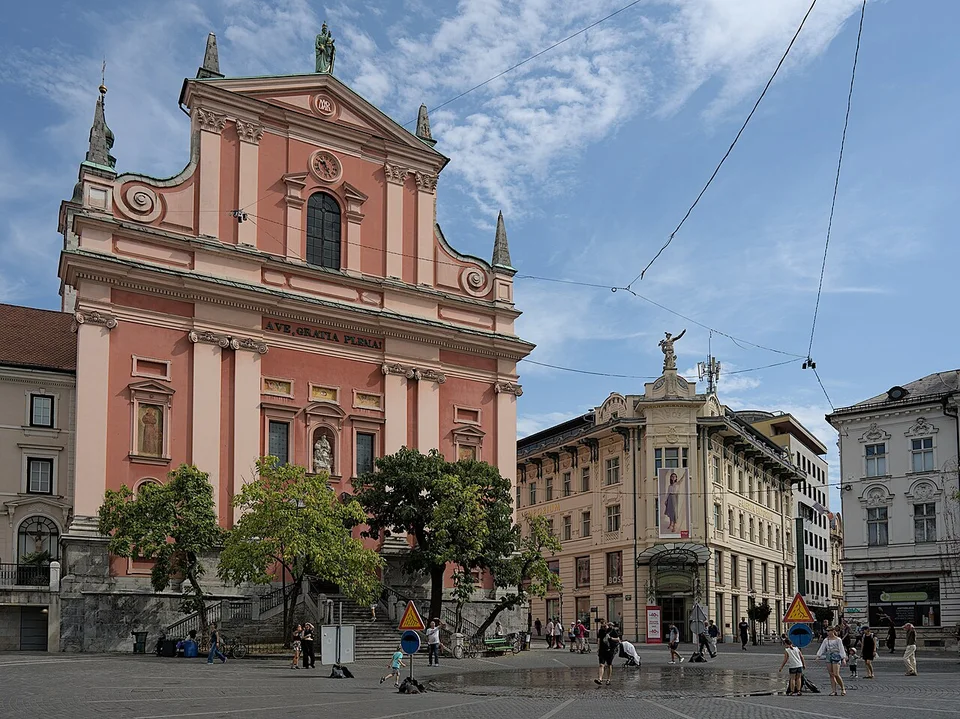
Ljubljana works as a base without a car; the Alps, the Soča valley and the villages between them are far easier with one. The car hire guide shows how to time the rental and the vignette, and the train and bus guide shows what works without a car.
Insurance for the mountain days
An EHIC or GHIC covers state healthcare, not rescue or the flight home. If any day of your trip involves a high trail, read what a Slovenian mountain rescue means for your cover before you buy a policy: it shows who pays in Slovenia, which plans exclude search and rescue, and what to ask about walks with cables and pegs.
Read also

Towns · 8 min read
Bled Beyond the Castle: Getting There, Lake Path, Vintgar
Updated · 17 November 2026Bled from Ljubljana by bus or train, the 6 km lake path, viewpoints, Vintgar Gorge in season and nearby villages, with castle and island tickets in brief.

What to see · 7 min read
Bled Castle or the Island: €19 Castle, €32 by Pletna
Updated · 17 November 2026Bled Castle (€19) for the view and museum, or Bled Island (€32 by pletna) for the crossing and church, and why winter visits start on the island.

Regions · 8 min read
Where to Stay in Bohinj: Four Bases, the Bus and Bohinj Card
Updated · 17 November 2026Where to stay in Bohinj: Ribčev Laz, Stara Fužina, Ukanc or Bohinjska Bistrica, with the Bohinj Card, hourly buses and what is shut in November.

Car hire · 10 min read
Car Hire in Slovenia: Vignette, Deposit and Winter Rules
Updated · 17 November 2026Car hire in Slovenia: the €16 weekly e-vignette and the €300 fine without one, Ljubljana Airport desks, deposits, border rules and winter tyres.