Slovenia Hiking Insurance: Who Pays for Mountain Rescue
Who pays if you need mountain rescue in Slovenia, what an EHIC or GHIC leaves out, and why SafetyWing Essential excludes rescue.
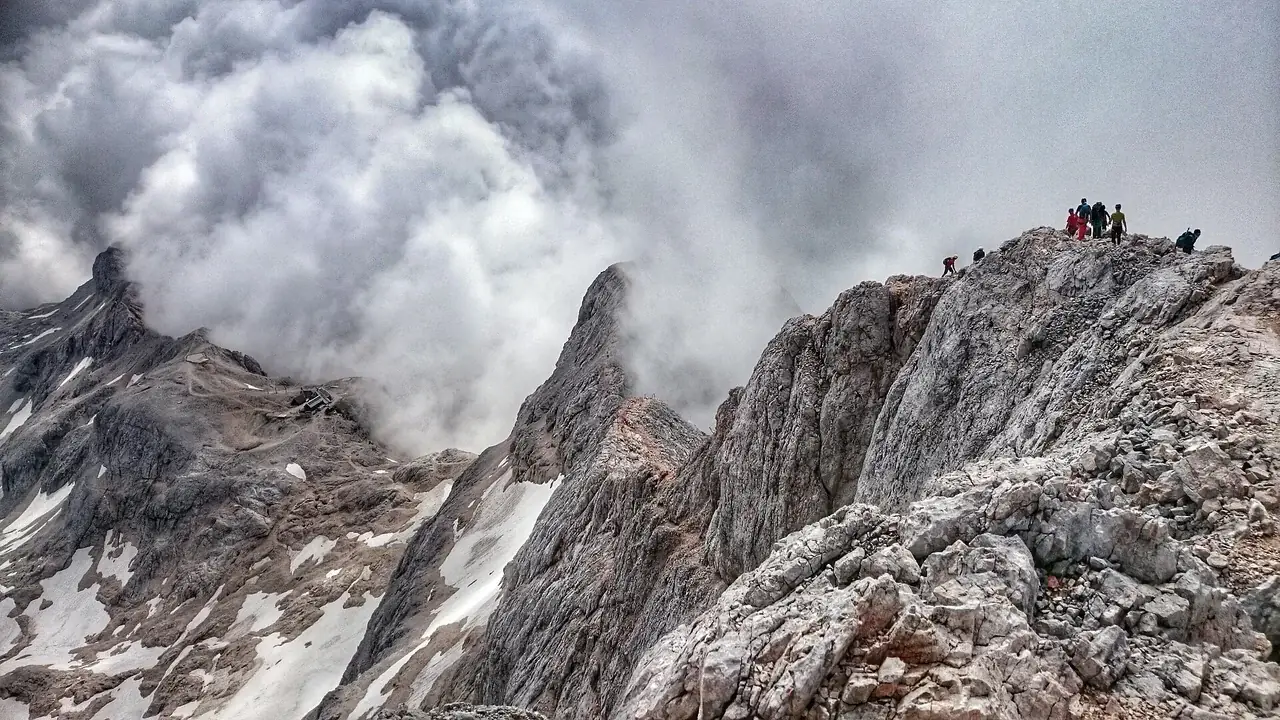
If a hiker is rescued in Slovenia, public money pays for the rescue in practice, except in cases of gross negligence: the Alpine Association of Slovenia (PZS) says so in its 2026 membership rules, and Slovenian press reported in August 2026 that an injured hiker usually receives no bill. The gaps sit elsewhere. Your EHIC or GHIC won’t pay for rescue or the journey home, SafetyWing’s Essential plan excludes search and rescue, and the rescue cover that comes with PZS membership doesn’t apply inside Slovenia at all.
This page explains how to compare cover; it is not insurance or medical advice. Only your policy wording and the insurer’s written answer decide what is paid. We checked the official and insurer pages cited here on 16 November 2026.
Who pays for the rescue in Slovenia
PZS runs a membership with rescue insurance for foreign mountains. Its 2026 instructions say that the insurance doesn’t apply to Slovenia’s own mountains, because rescue here is paid from the public health budget, except in cases of gross negligence. The same document says the cover doesn’t apply in Slovenia for members who live abroad either.
Slovenian press describes the same system from the outside. Svet24 wrote on 17 August 2026 that an injured hiker in Slovenia usually gets no bill, and that Army or Police helicopter operations are usually paid from public funds. It also reported 660 interventions in 2025, nearly 46 per cent of the people rescued being foreign citizens. In November 2023, N1 quoted the civil protection administration saying it had issued no cost claims since 2011 because courts found negligence hard to prove, and the Mountain Rescue Association of Slovenia (GRZS) saying Slovenia still had no legal basis to recover costs from an insured foreign citizen. Rules to charge negligent hikers were being drafted in October 2024, and we found no adopted decree as of 16 November 2026. In September 2026 the PZS told Svet24 that helicopter rescue should stay free for Slovenians, whose compulsory health insurance helps fund it, and that foreigners, who don’t pay into it, might be treated differently.
So for the rescue itself you’ll very likely pay nothing, though visitors have no written guarantee. The bills that can still reach you come after it, from the hospital onwards.
| What happens | Who pays in Slovenia | Where the gap is |
|---|---|---|
| Rescuers reach and carry you out | Public funds, per PZS (gross negligence excepted) | Practice, not a written guarantee for visitors |
| Treatment in a state hospital | EHIC or GHIC holders: necessary care at providers contracted to ZZZS | No card, no entitlement: you or your insurer pay |
| Ambulance transport within Slovenia | EHIC or GHIC holders: free in an emergency, otherwise on a doctor’s referral, per ZZZS | No card: you or your insurer pay; a policy’s evacuation needs the insurer’s advance approval |
| Flight home | EU guidance: EHIC won’t help with repatriation | Travel policy |
Calling 112 in the mountains
Slovenia’s government names 112 as the number for mountain and cave rescue, and GRZS gives the same number for a mountain accident. The dispatcher asks where it happened and what help you need, so know your route and last waypoint. GRZS warns that difficult terrain or bad weather can mean the rescuers take a while to reach you.
Call 112 first, then the insurer’s assistance line. Don’t let a policy question delay the call, and keep the assistance number in your phone so a companion can find it.
EHIC, GHIC and visitors without a card
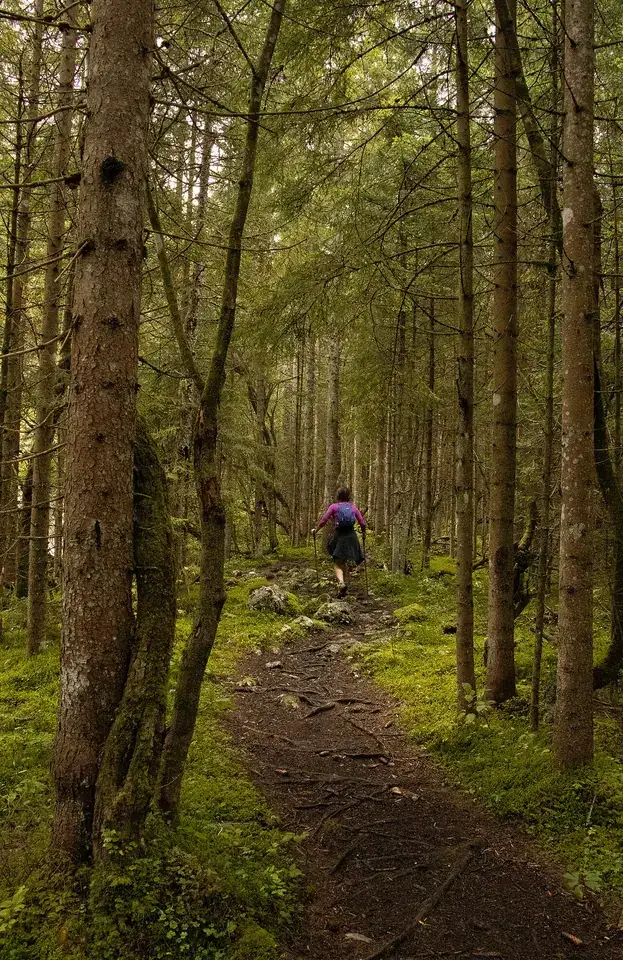
Slovenia’s health insurer ZZZS says eligible EHIC holders on temporary stays get emergency or necessary treatment from public institutions and from private practitioners that have a contract with ZZZS, so ask a private clinic whether it’s contracted before you rely on the card. UK travel advice points eligible visitors to a GHIC or EHIC for state healthcare and says plainly that the card is not an alternative to travel insurance, with medical repatriation to the UK among the costs it doesn’t pay. The EU’s EHIC page adds that the card will not help you with rescue and repatriation.
Americans and Canadians don’t hold a card of this kind, so treatment in Slovenia is a matter for a travel-medical policy. Australians should check with Services Australia whether a reciprocal healthcare agreement applies to their visit; either way, Australia’s official Slovenia advice tells travellers to take out alpine, snow-sports or mountain-rescue insurance that covers all their planned activities.
What to buy
You need cover for four things at once: treatment, transfer between hospitals, the journey home and, for certainty instead of a likely answer, the rescue itself. Two routes work for hikers.
A travel-medical policy that says in writing that it covers your activity. Send the insurer the route, the highest point, the season and whether you’ll be guided, and keep the written reply. If the reply says “hiking” and you’re planning a route with cables, see the Triglav section below.
A mountaineering club membership with rescue cover. The Austrian Alpine Club’s UK section, AAC(UK), describes its Alpenverein Weltweit Service as worldwide rescue, repatriation and medical cover for members’ leisure accidents, insured by Generali, but read the AWS conditions for Slovenia and for your activity before you rely on it. PZS membership isn’t the answer for a visit to Slovenia, as the first section shows. If the trip also crosses into Austria, the picture changes: Svet24 notes that in Austria and Switzerland an uninsured injured person may have to cover rescue costs, helicopters above all.
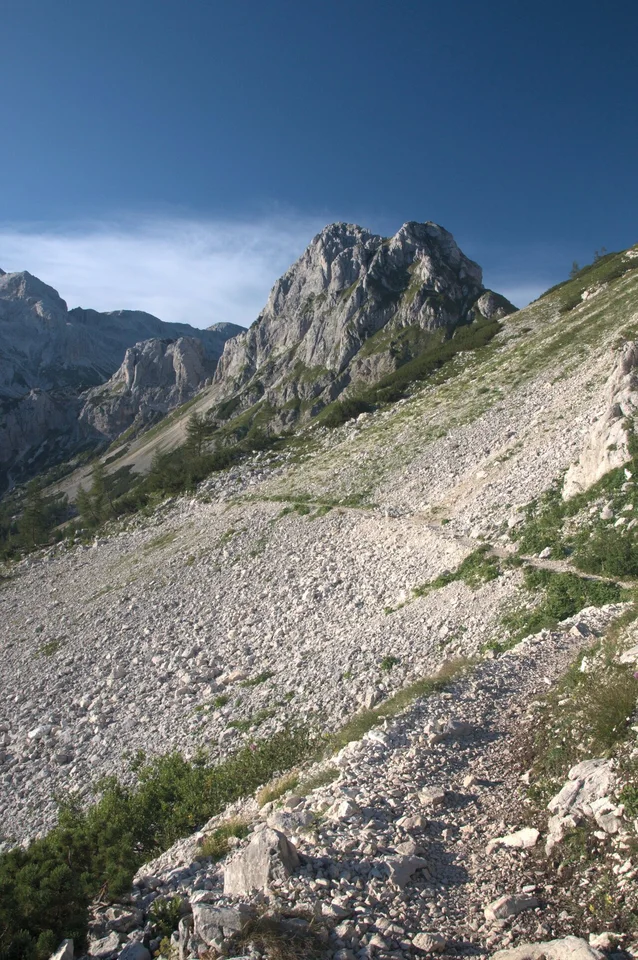
Keep the certificate, the policy wording, the assistance number and the insurer’s written reply about your route in one file you can open offline, and tell whoever you’re walking with where it is. If you add a mountain day to the seven-day road trip, send the insurer the new plan too, and do the same for rafting or canyoning on the Soča. The huts and the months they’re open are in before you go to Slovenia.
SafetyWing Essential and the rescue exclusion
SafetyWing’s public Essential wording excludes search and rescue services, including air transfer by helicopter or any other aircraft, and SafetyWing’s own answer on the point is short: this plan doesn’t cover search and rescue. For the Complete plan, the same FAQ names search and rescue at a recognised ski resort or similar winter-sports resort, and excludes it at sea and during off-site winter sports. Hiking is on Essential’s activity list, but the policy says you’re covered only on certified, official paths. The policy page lists an age of 70 or older among the exceptions to who can get Essential.
What it does offer is treatment and evacuation: SafetyWing’s evacuation means moving a patient to the nearest adequately equipped hospital, and SafetyWing has to approve and arrange it in advance. If Essential suits your medical side, the rescue part has to come from another policy or a club membership. Existing members should check their dashboard or contact support to see which version of the wording applies to their plan.
Triglav and the word hiking
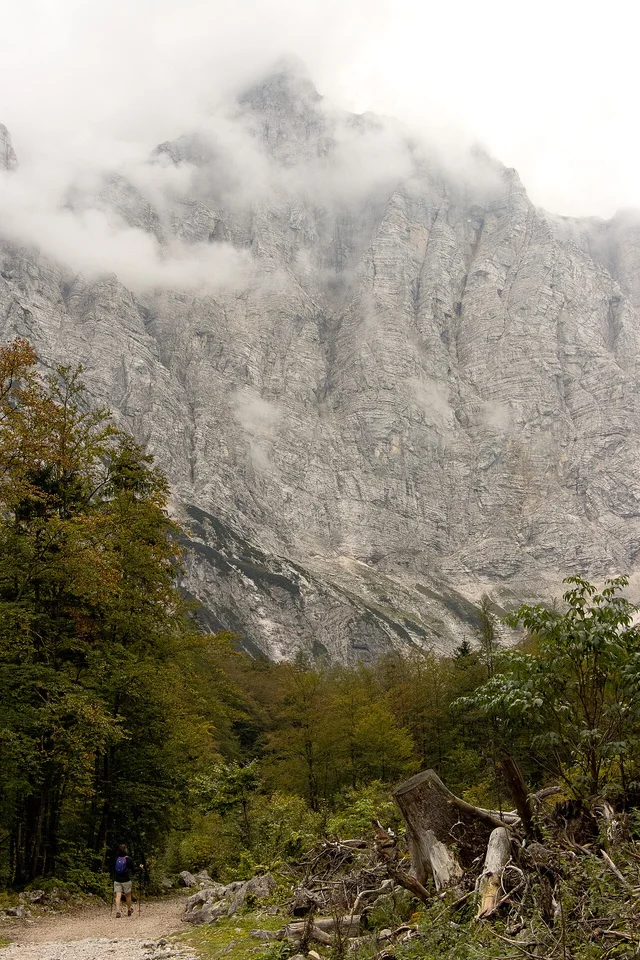
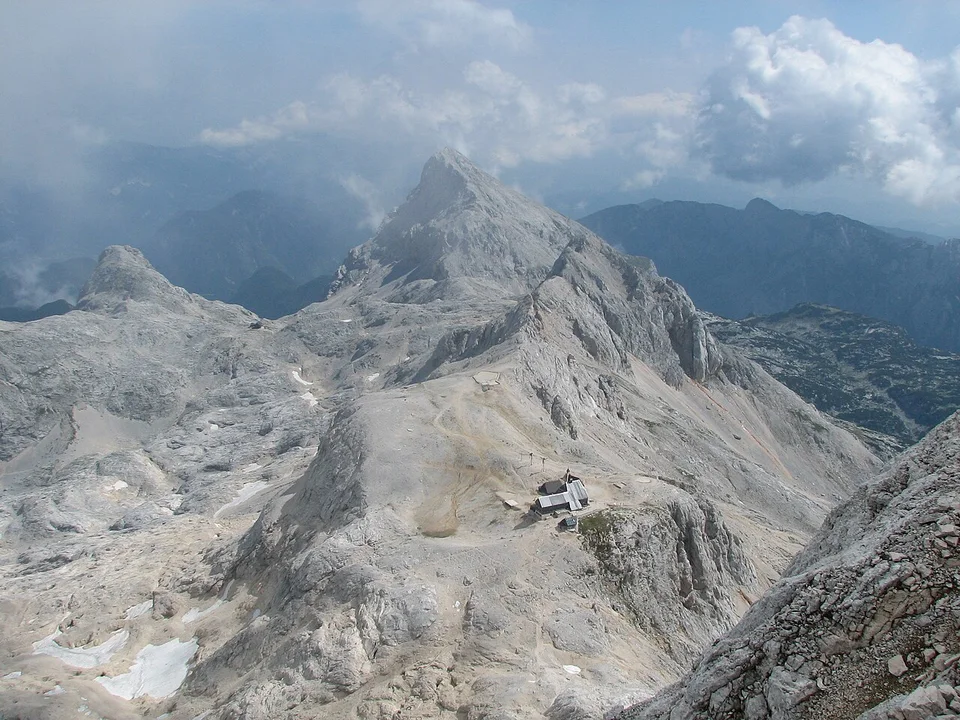
The most common mountain plan among visitors is Triglav, and it’s where the policy word “hiking” can fail. The Slovenian Tourist Board says the section from Kredarica to the summit is equipped with steel cables and needs full mountaineering gear: a helmet, a self-belay kit and a harness. On Triglav National Park’s trail scale, the very difficult class has steel cables, iron pegs and other aids, and you must use your hands. An insurer can class that as climbing, not hiking, and Essential covers hiking only on certified, official paths. Name the route when you ask for the written reply.
The tourist board strongly recommends a licensed mountain guide for inexperienced climbers, and in summer the huts on the way up need booking ahead.
Read also

Towns · 8 min read
Bled Beyond the Castle: Getting There, Lake Path, Vintgar
Updated · 17 November 2026Bled from Ljubljana by bus or train, the 6 km lake path, viewpoints, Vintgar Gorge in season and nearby villages, with castle and island tickets in brief.

What to see · 7 min read
Bled Castle or the Island: €19 Castle, €32 by Pletna
Updated · 17 November 2026Bled Castle (€19) for the view and museum, or Bled Island (€32 by pletna) for the crossing and church, and why winter visits start on the island.

Regions · 8 min read
Where to Stay in Bohinj: Four Bases, the Bus and Bohinj Card
Updated · 17 November 2026Where to stay in Bohinj: Ribčev Laz, Stara Fužina, Ukanc or Bohinjska Bistrica, with the Bohinj Card, hourly buses and what is shut in November.

Car hire · 10 min read
Car Hire in Slovenia: Vignette, Deposit and Winter Rules
Updated · 17 November 2026Car hire in Slovenia: the €16 weekly e-vignette and the €300 fine without one, Ljubljana Airport desks, deposits, border rules and winter tyres.