Car Hire in Slovenia: Vignette, Deposit and Winter Rules
Car hire in Slovenia: the €16 weekly e-vignette and the €300 fine without one, Ljubljana Airport desks, deposits, border rules and winter tyres.
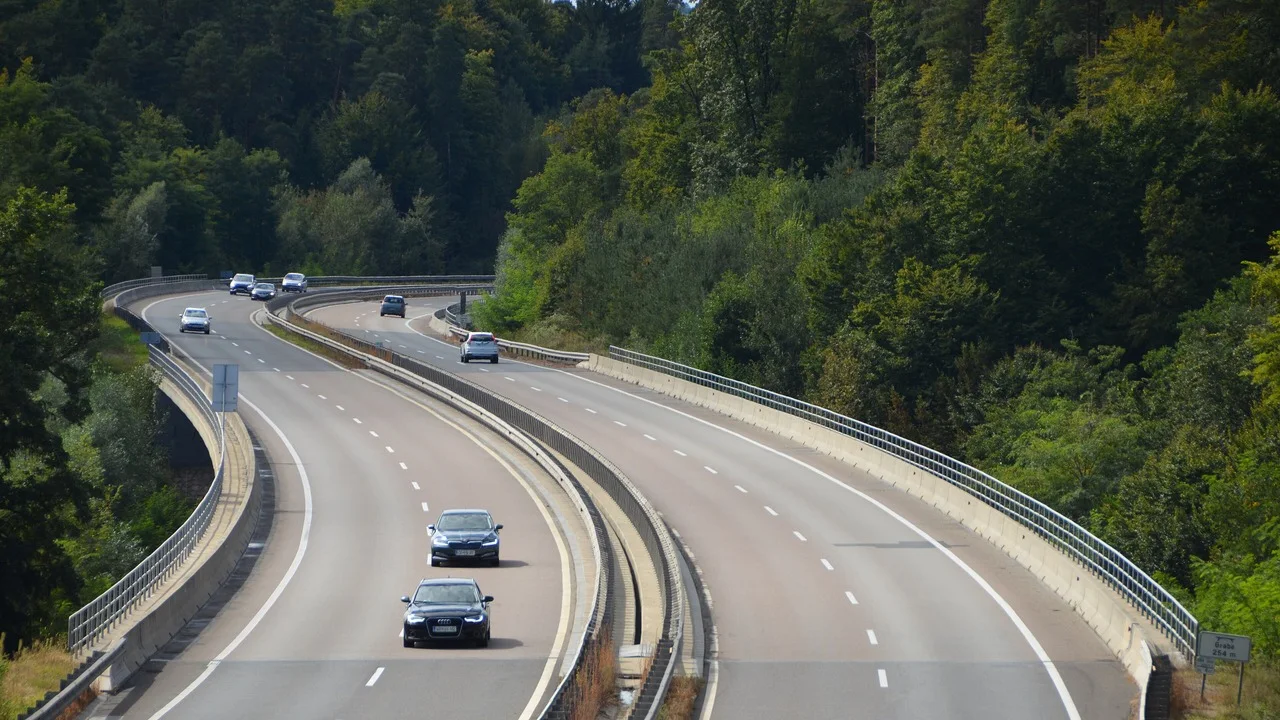
You need a car in Slovenia for the Alps, the Soča valley and the villages between them, and you don’t need one for Ljubljana. If you hire one, three things decide whether the trip goes smoothly: the e-vignette for motorways (the weekly one for a normal car is €16), a few questions to put to the rental company before you commit, and the winter equipment rule that runs from 15 November to 15 March. All prices and dates below were checked on 16 November 2026.
Do you need a car at all?
Ljubljana is walkable, and the Ljubljana guide covers getting around without wheels. The car starts to pay for itself when you leave the capital. The valleys of the Julian Alps are connected by roads rather than by frequent buses, and the 7 days by car route is built around that.
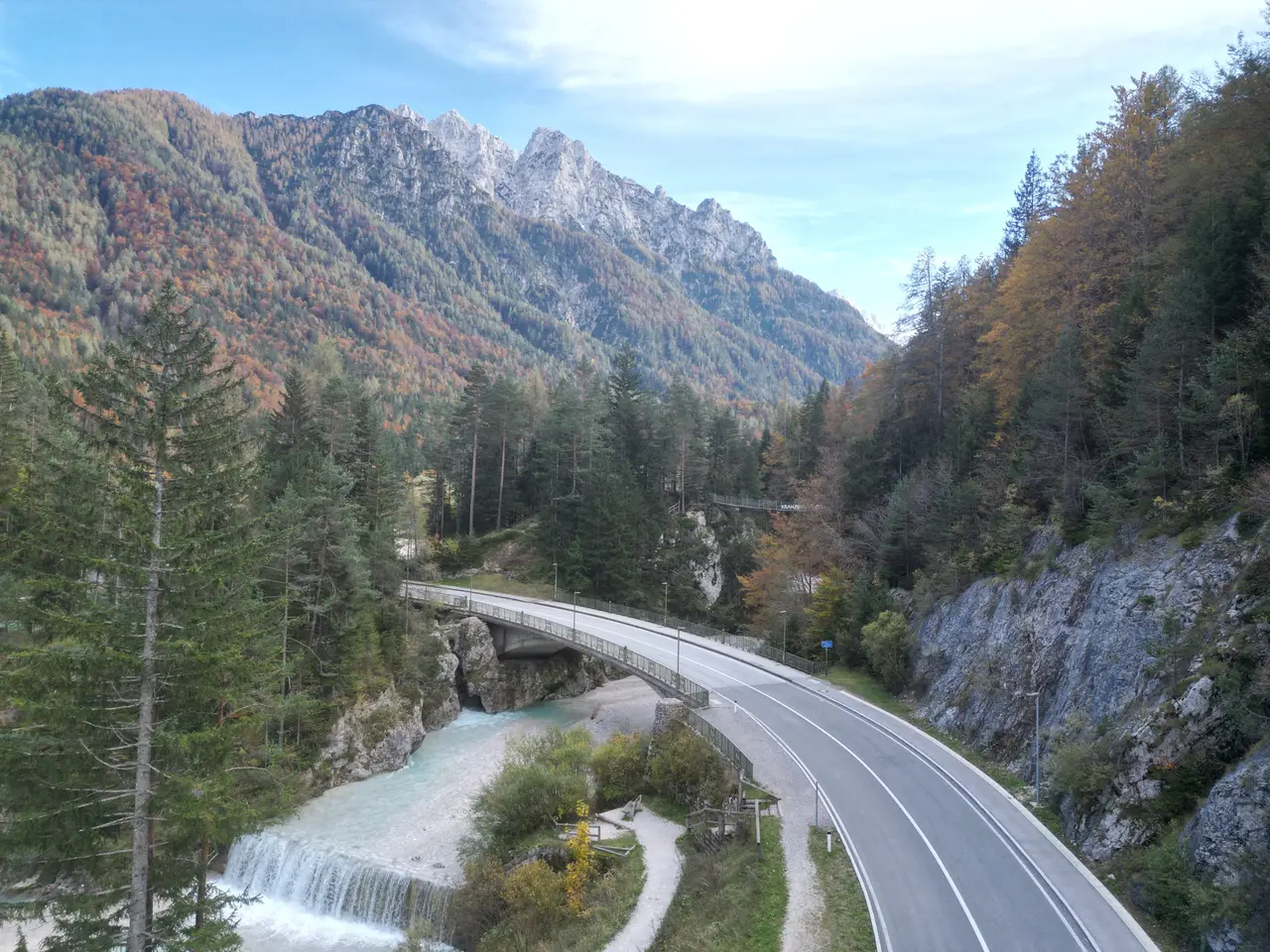
A tip that saves money: don’t hire for the days you spend in the city. Collect the car when you leave Ljubljana and you pay for fewer rental days, and the weekly vignette can start on the day you set off.
The e-vignette: what it covers and what it costs
Slovenia charges light vehicles for its motorways and expressways with an electronic vignette from the motorway company DARS. There’s no sticker. The vignette is tied to the number plate, and you must have it before you drive onto a toll road. These are the prices with VAT on the operator’s site on 16 November 2026, for toll class 2A, which is most passenger cars, minivans, SUVs and pick-ups up to 3,500 kg and up to 1.3 metres high above the front axle:
| Type | Price (class 2A) | Valid for |
|---|---|---|
| Weekly | €16.00 | Seven days, counting the start day |
| Monthly | €32.00 | Until the same date next month |
| Annual | €117.50 | Until the same date a year later |
A tall van or camper with more than 1.3 metres above the front axle falls into class 2B, where the weekly price is €32.00. If your vehicle isn’t obviously a car, DARS has a search tool by make and model, and it says class 2A applies when yours isn’t listed.
Two details make the weekly vignette easier than it sounds. You can choose a start date up to 30 days ahead, and until that date a registered DARS customer can change the number plate it is linked to, which helps if you buy before you know your hire car’s plate. And the first day counts: a weekly vignette starting on a Monday ends at midnight on Sunday.
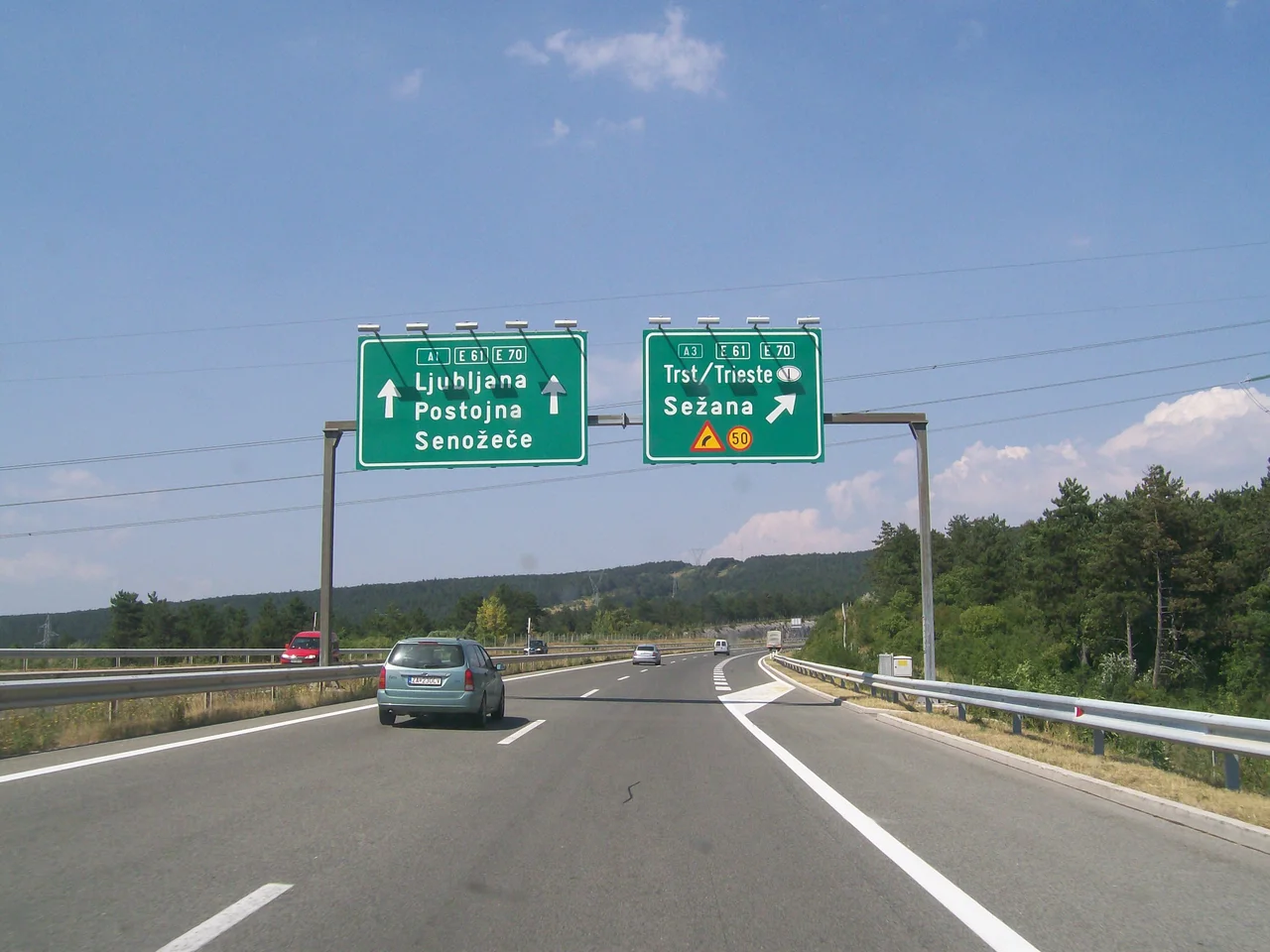
One stretch of road changed on 1 January 2026. Since then the coastal expressway sections H5 and H6, around Koper and Izola, no longer need a vignette for cars. DARS calls that a temporary measure until the Koper-Dragonja expressway is finished. It doesn’t help you on the way there: the A1 motorway from Ljubljana to the coast still requires one.
Buying it without paying a reseller
Buy at evinjeta.dars.si, which asks for no registration, only a card and an email address, or from one of the sellers DARS lists as authorised. On 1 June 2026 DARS warned about misleading websites that resell e-vignettes, saying their commissions “often amount to several tens of percent”. Its list of authorised online sellers then was DARS itself, ASFINAG, ADAC and Petrol.
The detail that catches people is the number plate. You type it twice on the DARS shop, and a mistake means the toll isn’t paid. And once the vignette’s validity has started, it can’t be moved to another plate, so swapping cars at the rental desk, whether for an upgrade or a breakdown replacement, means the vignette you bought no longer covers the car you’re driving. The simplest way is to buy it once you have the keys and can read the plate, set the start date to today, and keep the confirmation email.
If you hire in Zagreb or Trieste and drive in, the car is foreign-plated and needs the same thing. The shop asks for the country of registration along with the plate.
What the rental desk handles and what it doesn’t
Slovenia’s tourist board advises checking three things before you book: the minimum age and licence requirements, whether an e-vignette is included, and the conditions for taking the car across a border. Add a fourth, which is who carries the winter equipment. Ask each company in writing, because the answers differ between companies and a low headline rate can leave the extras out.
Age is a good example. Slovenia’s tourist board says renters are generally at least 21 and have held a licence for at least two years, and some agencies add a young-driver fee up to 25. Sixt’s Slovenia page, by contrast, gives 18 with two years on the licence, with a higher minimum for some categories and an underage fee for drivers under 23. So the same driver may or may not qualify depending on the company, and the same goes for the fee.
On licences, the UK government’s travel advice says you can drive in Slovenia on a UK driving licence and warns that hire companies often set stricter requirements, such as a higher minimum age. Canada’s travel advice is stricter for its citizens: “You must carry an international driving permit.” If your licence is from anywhere else outside the EU, check your own government’s travel advice before you go, and get an International Driving Permit at home if it says you need one; then ask the hire company which documents it wants.
The airport desks
The airport’s own rental page lists the companies and puts them in two places: on the ground floor of the parking house, and at Terminal B, arrivals, ground floor. Which company is where is shown next to each one’s contact details on that page. Avis, Budget, Europcar, Hertz, Sixt, Enterprise and Alamo are among those listed. When you return the car, follow the “rent-a-car return” signs from the main road to the parking house, and enter at the marked entrance for your brand.
The airport is about 26 kilometres from the centre of Ljubljana, around 20 minutes by car according to Visit Ljubljana, and on the way to Bled and the Alps rather than away from them. That makes it a sensible place to collect a car if you’re heading north straight from the plane, though it’s a detour if you spend the first days in town.
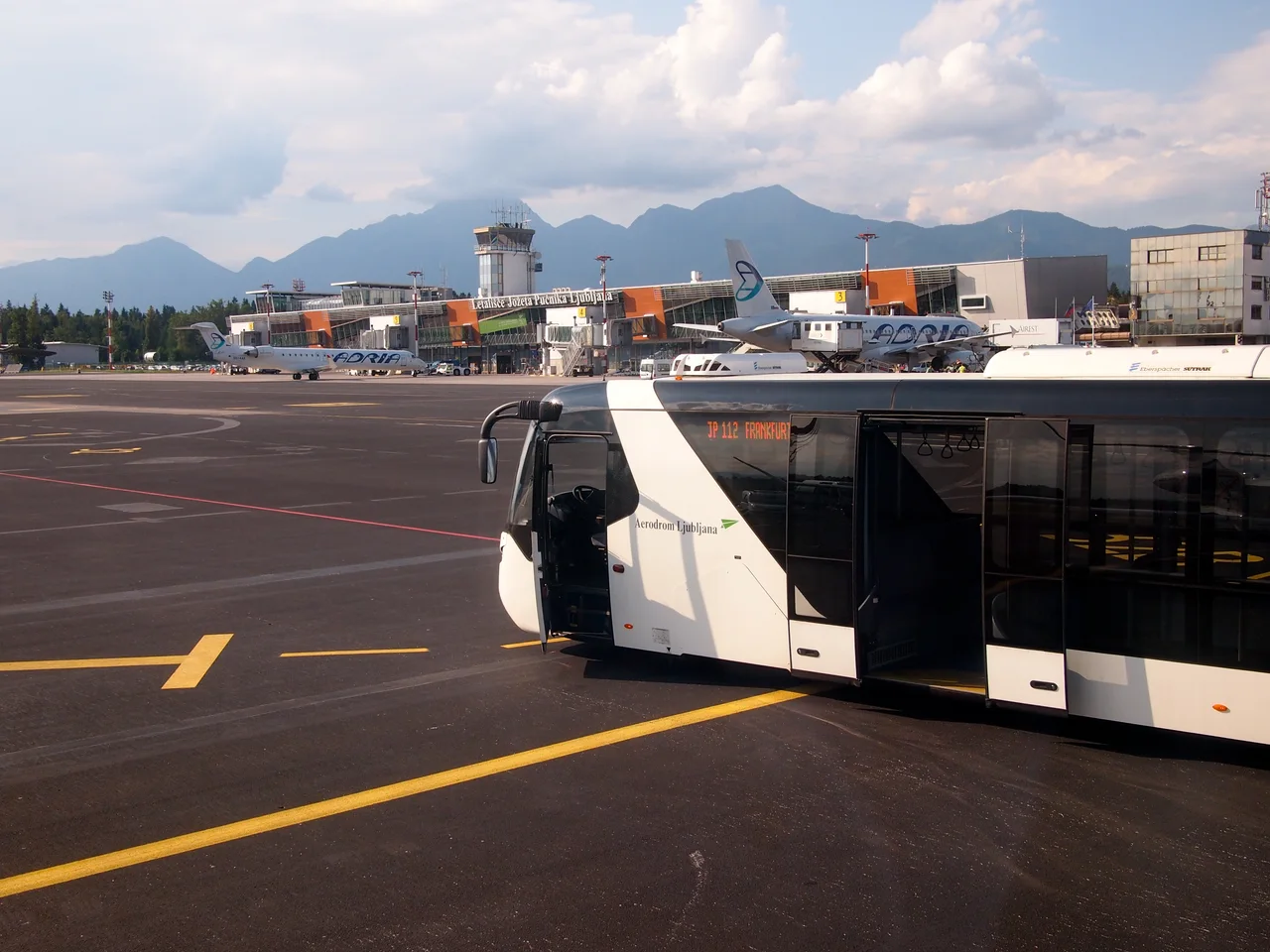
A comparison site like DiscoverCars is useful for seeing which suppliers have cars at the airport on your dates. The terms you accept, though, are the rental company’s own, so read them for the vignette, the deposit and the cross-border line.
Deposit and card
Every company sets its own deposit, and the amount is shown at the end of the booking or in your agreement. As an example of how it’s worked out, Sixt’s UK help page says the deposit equals the hire amount plus a fixed surcharge by vehicle class, is a hold on the card, and doesn’t cover damage, which depends on the protection package you chose. Sixt’s Slovenia page says it accepts major credit cards issued in the main renter’s name. Don’t plan on a spouse’s card or a debit card being accepted unless the company says so.
Whatever excess sits in your agreement, compare it between companies alongside the daily rate, because it’s the part of the price you only meet if something goes wrong.
Crossing into Croatia and Italy
The Slovenian vignette stops at the Slovenian border, and the Croatian and Italian roads have their own tolls. Rental companies also set their own cross-border rules. Sixt’s Slovenia page says its cars can go into other European countries, depending on the car category, and that a permit and a fee may be required. Get the permission written into the agreement before you go, because it can affect your insurance.
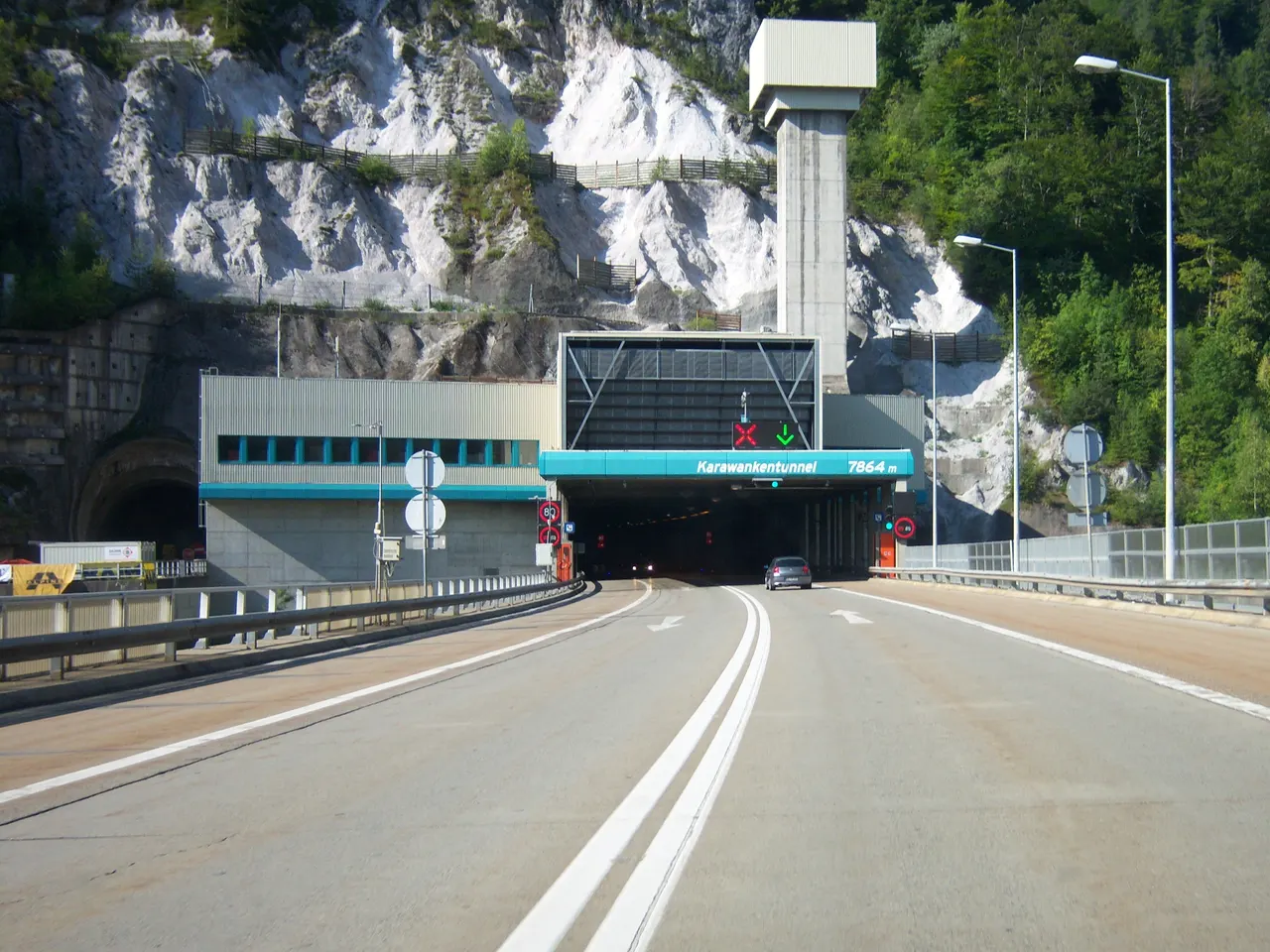
One toll sits inside Slovenia but outside the vignette: the Karavanke tunnel to Austria. DARS says the vignette isn’t valid there and a car pays €9 per passage at the Hrušica toll station.
Winter tyres from 15 November to 15 March
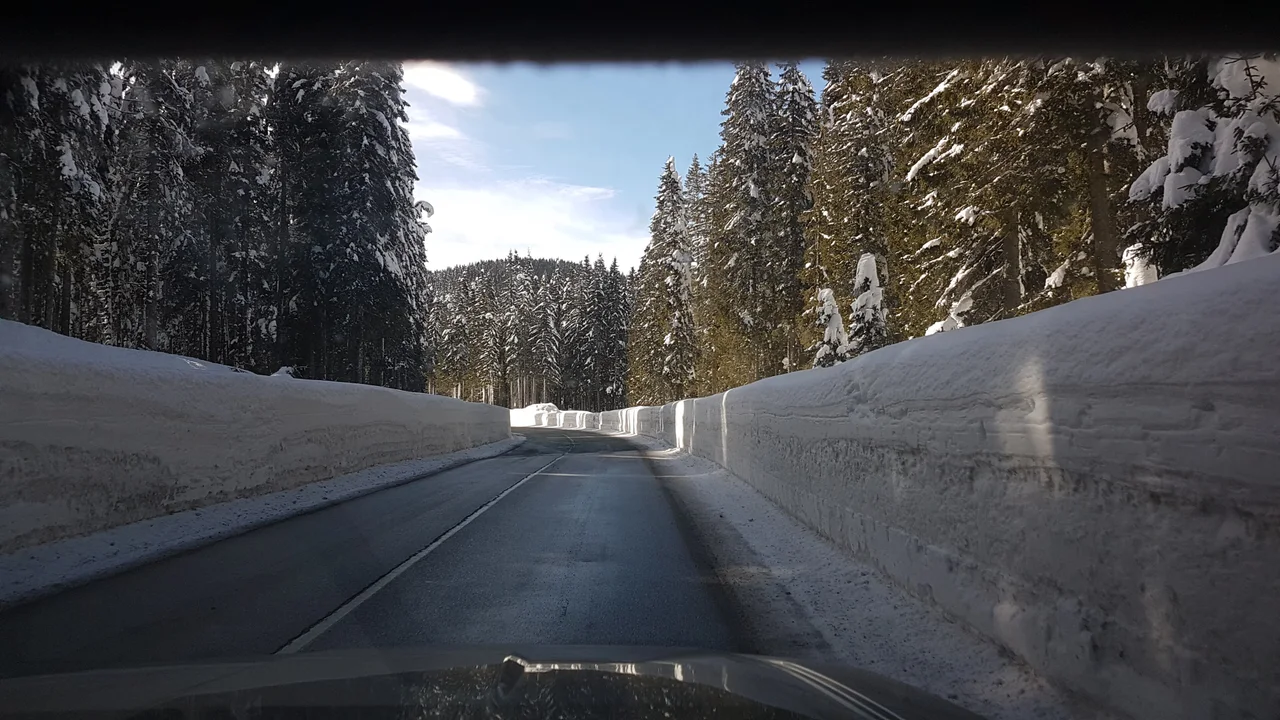
From 15 November to 15 March, a car in Slovenia must have winter tyres on all four wheels, or summer tyres plus snow chains in the boot. Tread depth must be at least 3 mm. The UK government’s advice adds that the requirement also applies outside those dates whenever there are winter conditions such as snow or black ice. Under Slovenia’s Road Traffic Rules Act, the fine for driving without winter equipment is €40, rising to €500 and five penalty points if a car without it gets stuck and holds up traffic. Slovenia’s tourist board states the same dates and the same 3 mm.
Ask the rental company up front whether your car will have winter tyres or chains in the boot, and whether either costs extra. We couldn’t find anything from the companies themselves that settles it for Slovenia, so the answer belongs in your agreement.
Winter also closes roads. The Vršič pass between Kranjska Gora and the Soča valley can shut for snow, and no closing date had been announced when we checked on 16 November 2026, so look at promet.si, the Slovenian traffic information centre, on the morning you drive. The Julian Alps guide covers the other winter closures around it.
If something goes wrong
Without a valid vignette, the fine on the motorway is €300, according to DARS. The operator then issues you a vignette backdated to the day of the offence, valid after the fine is paid, and an order banning use of the toll road until all the invoices are settled.
For a breakdown, AMZS runs 24-hour roadside assistance on 1987, and 112 is the number for injuries or immediate danger. Slovenian rules also require dipped headlights at all times, including in daylight, and the limit for most drivers is 0.5 per mille of blood alcohol, but zero if you’re under 21 or have held your licence for less than two years.
Before you click “book”
- Vignette: included or not, and for which plate.
- Winter tyres or chains: in the car, or extra.
- Border permission for Croatia or Italy: written, with the fee.
- Deposit amount and the name the card must be in.
- Pick-up and return point: parking house or Terminal B.
- Age and licence rules for every driver.
Read also

Towns · 8 min read
Bled Beyond the Castle: Getting There, Lake Path, Vintgar
Updated · 17 November 2026Bled from Ljubljana by bus or train, the 6 km lake path, viewpoints, Vintgar Gorge in season and nearby villages, with castle and island tickets in brief.

What to see · 7 min read
Bled Castle or the Island: €19 Castle, €32 by Pletna
Updated · 17 November 2026Bled Castle (€19) for the view and museum, or Bled Island (€32 by pletna) for the crossing and church, and why winter visits start on the island.

Regions · 8 min read
Where to Stay in Bohinj: Four Bases, the Bus and Bohinj Card
Updated · 17 November 2026Where to stay in Bohinj: Ribčev Laz, Stara Fužina, Ukanc or Bohinjska Bistrica, with the Bohinj Card, hourly buses and what is shut in November.

Things to do · 8 min read
Hiking the Julian Alps: Valley Walk, Hut or Triglav?
Updated · 17 November 2026Julian Alps walks sorted by effort: Goreljek, Mostnica, Komna, the Seven Triglav Lakes and Triglav, with times, fees, seasons and November closures.