Hiking the Julian Alps: Valley Walk, Hut or Triglav?
Julian Alps walks sorted by effort: Goreljek, Mostnica, Komna, the Seven Triglav Lakes and Triglav, with times, fees, seasons and November closures.
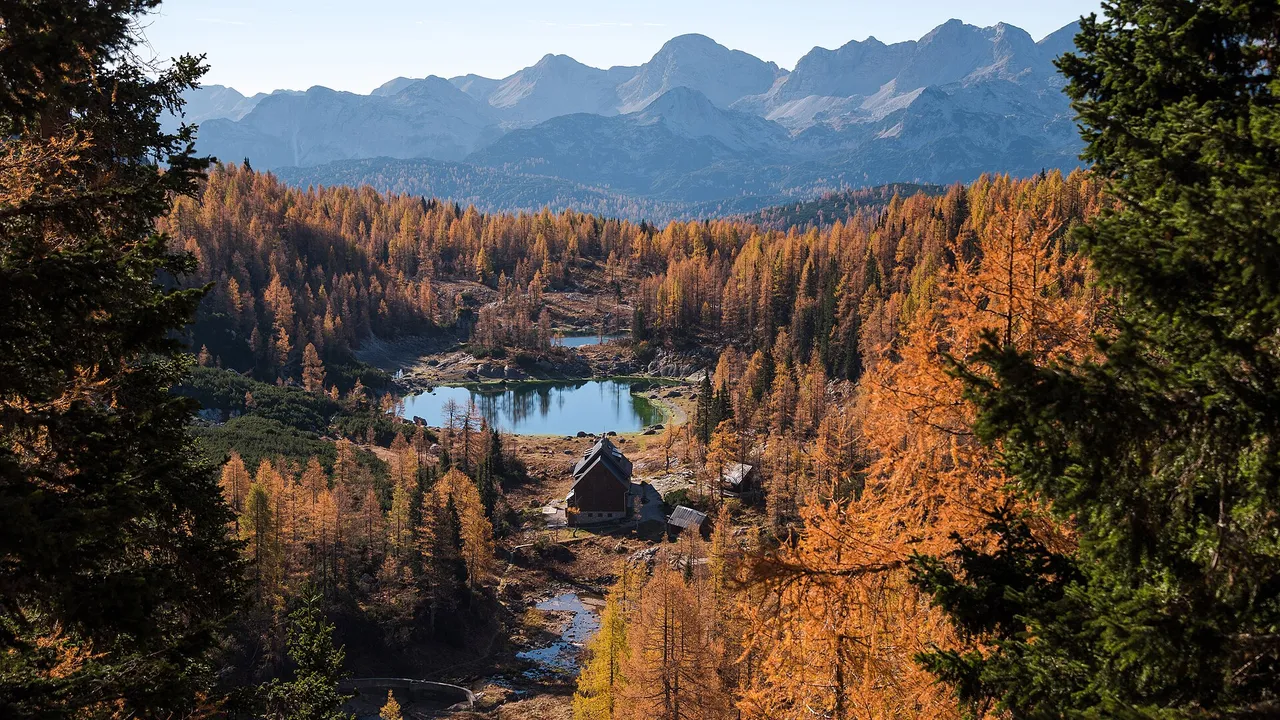
For a first walk in the Julian Alps, the grade matters less than the length of the day. Goreljek on Pokljuka is a short, free, easy trail over wooden footbridges; Mostnica is a gorge path above Stara Fužina that costs €4 in season; Dom na Komni is 2 hours 30 minutes up an old mule trail from Koča pri Savici, and closed from November to mid-December; the hut by the Triglav Lakes is 3 to 5 hours up the steep, exposed Komarča path from the same trailhead; and Triglav itself is at least 6 to 8 hours each way, ending on fixed cables with a helmet, harness and self-belay kit. Choose the commitment first and the route second.
What “easy” means on a Slovenian trail
Triglav National Park grades its trails as easy, difficult and very difficult. An easy trail is walked with trekking poles and doesn’t need your hands; a very difficult one has steel cables and iron pegs, and you must use your hands. The grade says nothing about length, so read it next to the walking time: Komna is graded easy and is still 2 hours 30 minutes uphill, one way.
| Route | Starts at | Time | Grade | Season and cost |
|---|---|---|---|---|
| Goreljek peat bog | Pokljuka | Short | Easy, per the park | Snow-free season; free |
| Mostnica gorge and Voje Valley | Stara Fužina | About 2.5 hours one way to the end of the valley | Easy to moderate, per Bohinj tourist board | Gorge path €4 from 1 April to 30 November |
| Dom na Komni | Koča pri Savici | 2 hours 30 minutes one way | Easy, per the hut | Hut closed in November and the first half of December |
| Hut by the Triglav Lakes (1,685 m) | Koča pri Savici, via Komarča | About 3 hours, or 4 to 5 hours on the board’s Savica page | Very steep and quite exposed, per Bohinj tourist board | High-mountain season |
| Triglav summit | Valley routes, via Kredarica | At least 6 to 8 hours each way | Demanding to very demanding, per the Slovenian Tourist Board | Winter conditions into June |
The table’s figures come from the park, the tourist board and the huts’ own pages, read on 17 November 2026. Huts in the high mountains are typically open from May to October, according to the Slovenian Tourist Board, and the Slovenia Outdoor association says higher-lying ones close in mid-September, though many stay open longer; for a high route, July to early September is the window, after the snow that can linger into June has gone. From November you’ll want to check each of these for snow first: Goreljek is recommended for the snow-free season, and Bohinj’s tourist board advises against walking the Mostnica gorge alone in snow. Stick to marked trails and check the forecast again for your own date. For a base to walk from, start with the Julian Alps guide.
Goreljek: a short forest outing
Goreljek’s nature trail goes through woods and over wooden footbridges beside the peat bog on Pokljuka. The park calls it short and easy, recommends it for the snow-free season with suitable hiking footwear, and charges nothing to walk it. The bog is the point of the walk, so leave time to stop on the footbridges rather than hurry across them.
It’s also a cheap test of how your group walks: if a short outing already feels long, the hut approaches below won’t feel shorter.
Mostnica: a paid gorge path, then the Voje Valley
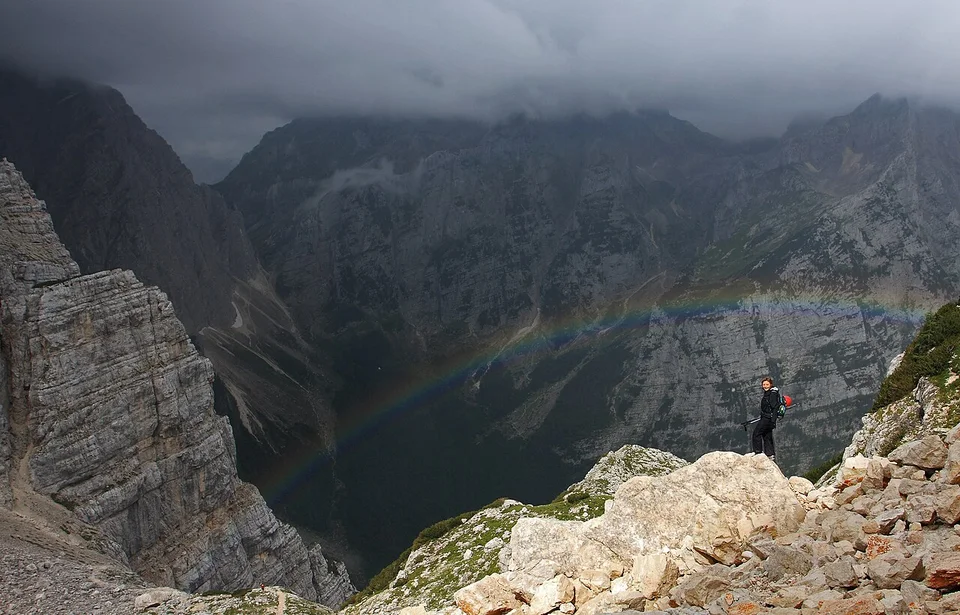
Mostnica is a gorge-and-valley walk above Stara Fužina. From 1 April to 30 November the gorge path costs €4 for an adult and €2 for children aged 7 to 14, paid in cash only; children up to 6 and holders of the Julian Alps Card for Bohinj, Bled, the Soča Valley or Radovljica go free. The road to the Voje Valley has no fee, but it doesn’t pass through the gorge.
Bohinj’s tourist board calls for care at the gorge edges, particularly in humid weather, and doesn’t recommend an individual walk through the gorge in snow. The tour to the end of the Voje Valley takes about two and a half hours one way, with two five-minute ascents as the hardest parts. Where to sleep for it is in the Bohinj valley guide.
Dom na Komni: a hut you can walk to
Dom na Komni’s own site describes the approach from Koča pri Savici along an old mule trail: 2 hours 30 minutes one way, graded easy. The Savica page of the tourist board lists a trail through Pekel at about three hours to the same hut, so don’t assume the shorter figure belongs to the path you take. Add the descent before you call it a day walk. The hut’s site also says the Komna plateau is under snow for half the year, so that grade describes the summer path.
Dom na Komni closes for a break in November and the first half of December, according to its own site, and the Alpine Association of Slovenia’s hut list showed it closed on 17 November 2026. In late autumn that rules it out, so pick a valley walk for those weeks. Outside the break, reconfirm the date you need before building the day around a meal or bed. PZS lists the hut and points to its booking page.
The Seven Triglav Lakes: a long day or a night at the hut
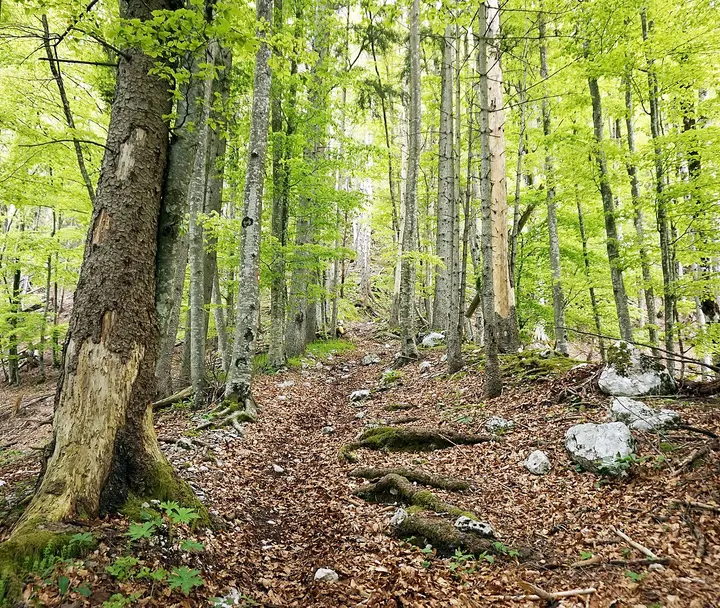
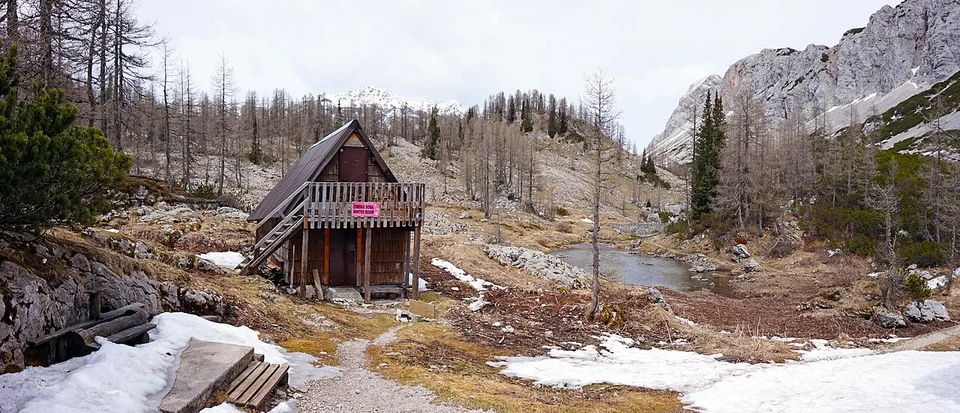
The valley is about eight kilometres long, between Bohinj and Trenta, and the tourist board lists three ways in, two of them from Savica. The direct one goes up the steep Komarča path, about 2 hours to the Black Lake (1,294 m) and about 3 hours to the hut by the Triglav Lakes at 1,685 m, though the board’s Savica page gives 4 to 5 hours and calls the path very steep, quite exposed and unsuitable for anyone afraid of heights; the approach via Komna takes nearly 5 hours. From the hut it’s another good two hours to the Zasavska koča na Prehodavcih at 2,071 m.
A day trip from Savica means 3 to 5 hours up before you reach the hut, plus the descent; that’s why the valley suits a night at the hut. Confirm the hut’s own opening dates for your week before you count on a bed there.
Triglav: cables, kit and a guide
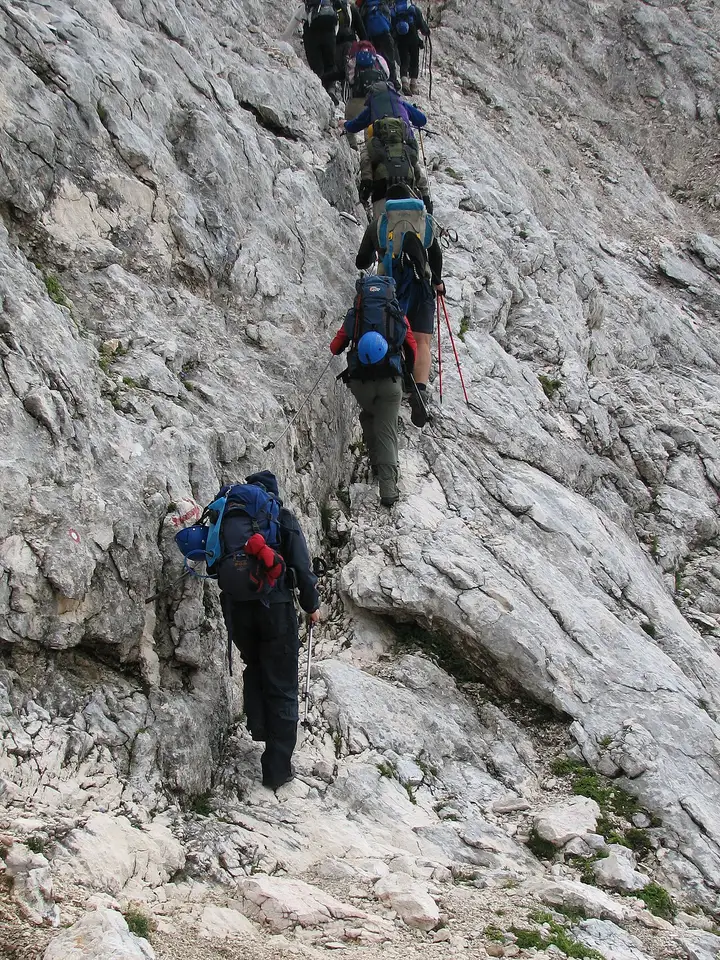
Every route up Triglav is at least 6 to 8 hours of walking each way and gains about 1,500 metres, according to the Slovenian Tourist Board, which suggests splitting it over two days. You can stop at the Triglav Mountain Hut at Kredarica, Slovenia’s highest, below the final ascent. The final section from Kredarica to the summit is exposed and steep, with fixed cables, and needs a helmet, a self-belay kit and a harness. The same page warns that winter conditions on Triglav can last as late as June and that snow can fall in early autumn or even late summer.
That’s climbing gear, not walking gear. Describe the terrain you’ve handled before and your comfort with exposure to a qualified mountain guide if the route is beyond your experience. Owning the kit doesn’t mean you know how to use it on exposed rock.
Name the route to your insurer before you go: a policy that covers hiking may treat the cabled final section as climbing, and SafetyWing’s Essential plan excludes search and rescue. Rescue in Slovenia’s mountains is paid from public health funds, except in cases of gross negligence, according to the Alpine Association of Slovenia’s 2026 membership rules; the bills that can still reach you start at the hospital, and the hiking insurance guide shows what covers them.
Booking a hut
The park recommends booking a hut bed in advance, and in summer the Triglav huts fill. Of Slovenia’s 159 huts, 21 of the busiest are on a shared online reservation system that takes a card; for the others you book with the hut itself. The planning guide puts the season and costs for the whole trip in one place.
If you want a guided version, read the supplier’s own description of the grade, the walking time and the equipment: a Triglav Lakes outing and a summit climb both use Triglav in the title, and only the climb ends on the cables.
Weather, a plan B and 112
Check the mountain forecast before setting out and decide in advance what would turn you back. If the high route is off, the valley walks above are the plan B, as long as they’re clear of snow. For a mountain accident in Slovenia, call 112, then your insurer’s assistance line.
Read also

Things to do · 8 min read
Which Soča Trip? Rafting, Canyoning or Kayaking From €60
Updated · 17 November 2026Soča rafting, canyoning or kayaking from €60: five guided programmes compared by season, length, minimum age and upper age and weight limits.

Towns · 8 min read
Bled Beyond the Castle: Getting There, Lake Path, Vintgar
Updated · 17 November 2026Bled from Ljubljana by bus or train, the 6 km lake path, viewpoints, Vintgar Gorge in season and nearby villages, with castle and island tickets in brief.

What to see · 7 min read
Bled Castle or the Island: €19 Castle, €32 by Pletna
Updated · 17 November 2026Bled Castle (€19) for the view and museum, or Bled Island (€32 by pletna) for the crossing and church, and why winter visits start on the island.

Regions · 8 min read
Where to Stay in Bohinj: Four Bases, the Bus and Bohinj Card
Updated · 17 November 2026Where to stay in Bohinj: Ribčev Laz, Stara Fužina, Ukanc or Bohinjska Bistrica, with the Bohinj Card, hourly buses and what is shut in November.